Not things to see.
Things to do.
These are the practices that make up our journeys. Any of them can be added to any itinerary, and several of them are the reason people come here rather than somewhere with better hotels.
The travel industry uses it to mean an activity you buy. In this tradition none of what follows is bought — it is undertaken, and the community you undertake it with is supported by dāna rather than by a ticket price.
We use the word here because it is the word people search for. What we do not do is turn any of it into a performance staged for visitors.
What is available
Samatha and vipassanā instruction
Formal meditation instruction from a monastic teacher: ānāpānasati (mindfulness of breathing) as the samatha ground, then vipassanā — the direct observation of arising and passing, and of the three characteristics. Practical and unmystical: posture, what to do about pain in the knees, what to do when nothing happens. Daily one-to-one interviews on longer retreats.
Offering dāna to the Saṅgha
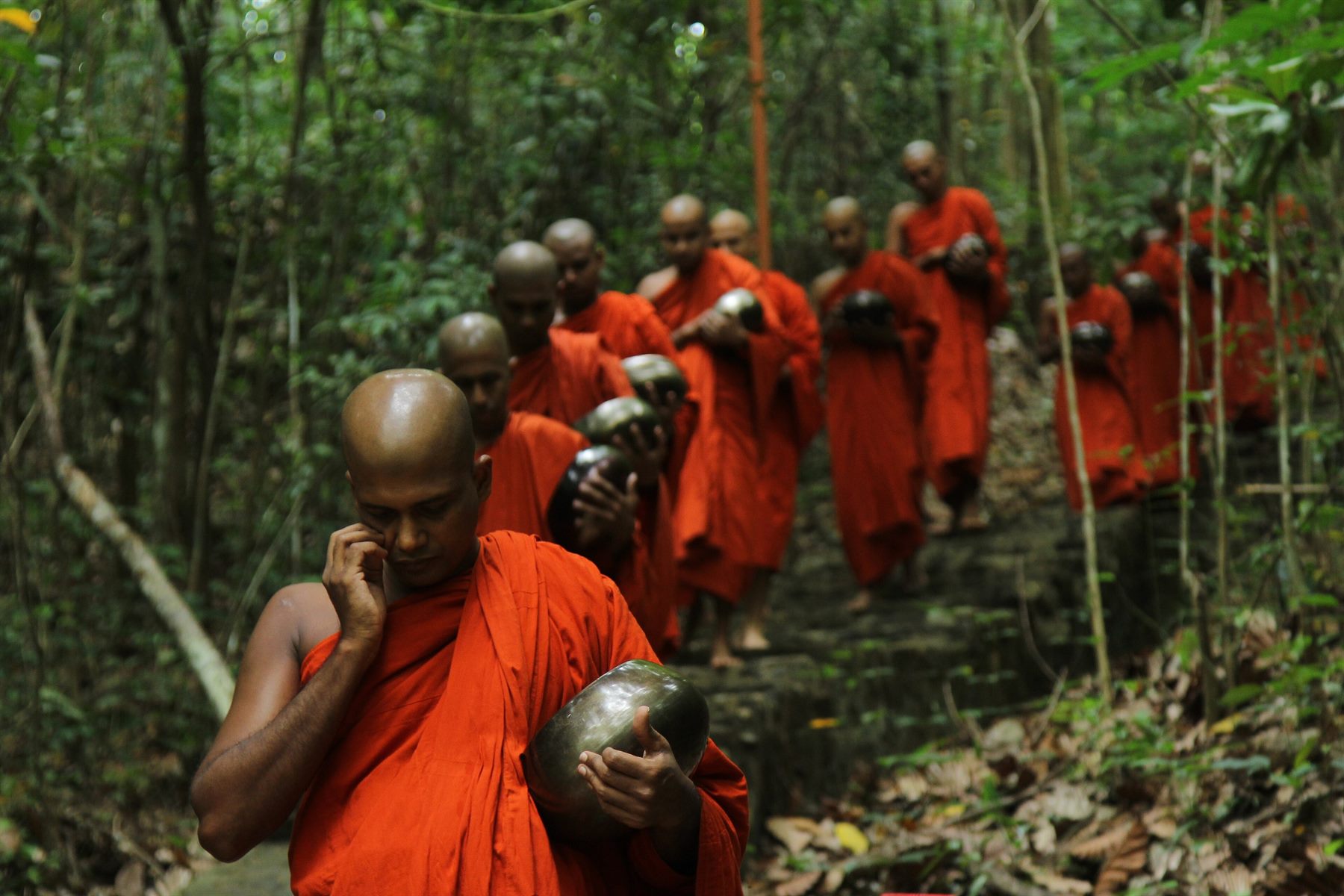
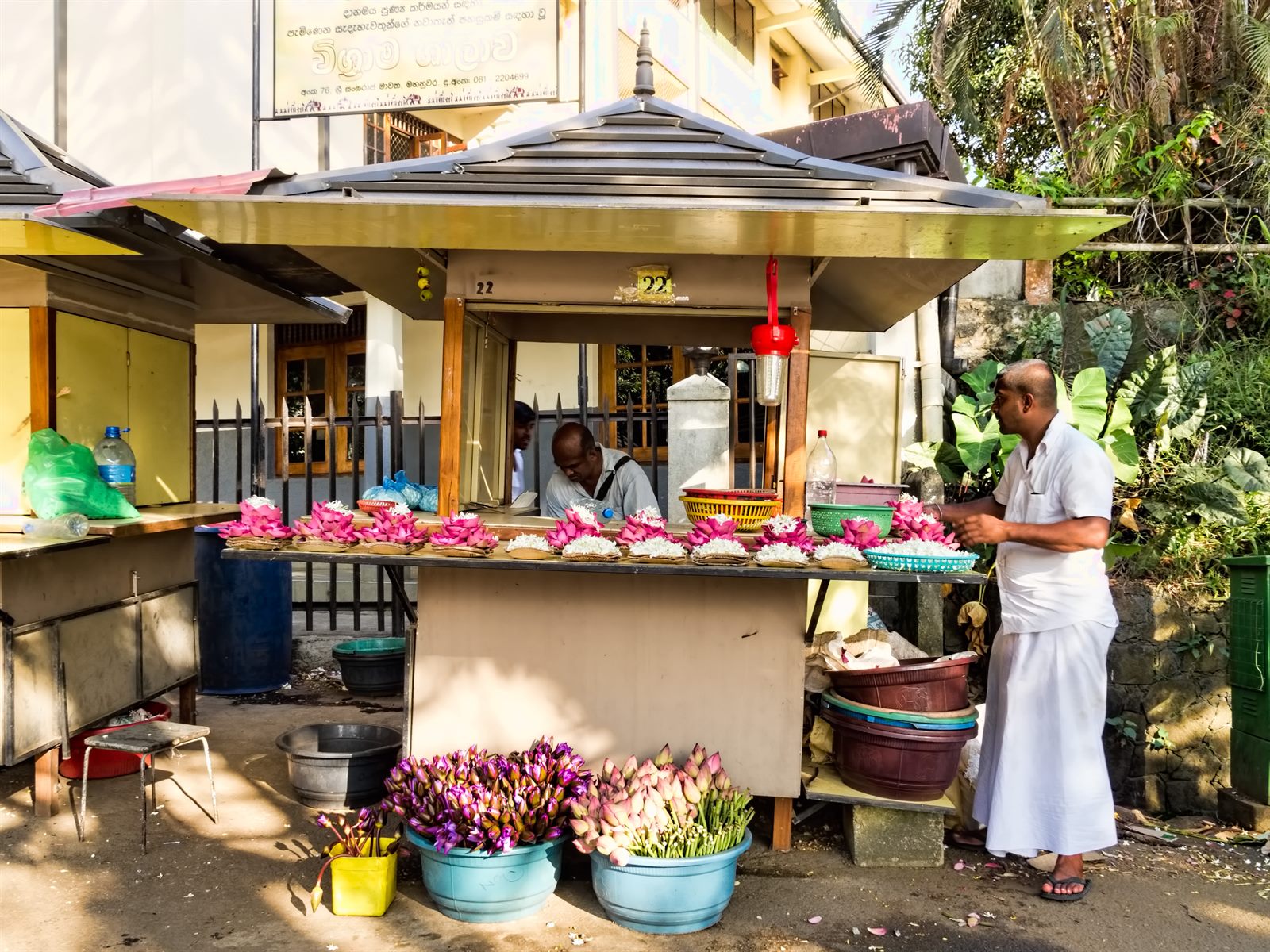
The full form, not a donation: buying at the market, preparing or carrying the food, offering it before the community eats, receiving the anumodanā chanting and pouring water as the merit is dedicated — and only then eating yourself. It is the single practice that most changes how a Western practitioner understands the relationship between lay life and the monastic community.
Staying inside a monastery
A single plain kuṭi, the 04:30 bell, the community's two meals and nothing solid after midday, the morning and evening pūjā, and noble silence from dusk. This is not accommodation and it is not comfortable, and for the right person it is the most valuable week of the journey. Available for one night as a taste, or for a full retreat.
Dhamma study with monastics
Sessions with monks who teach in English, on whatever you actually want to understand — the four noble truths, dependent origination, what the Theravāda means by not-self, why the Pali canon is arranged as it is, or how a bhikkhu's 227 training rules work in practice. Questions are welcome and scepticism is not treated as rudeness.
Pūjā, chanting and the eight precepts
Evening pūjā with lamps, incense, water and flowers, with the reason for each offering explained rather than performed at you. Learning the Vandanā, the going for refuge and the five precepts in Pali, with a transliteration you can actually read. On a Poya full-moon day, taking the eight precepts and keeping the day of observance in white with everybody else.
Walking a pilgrimage properly
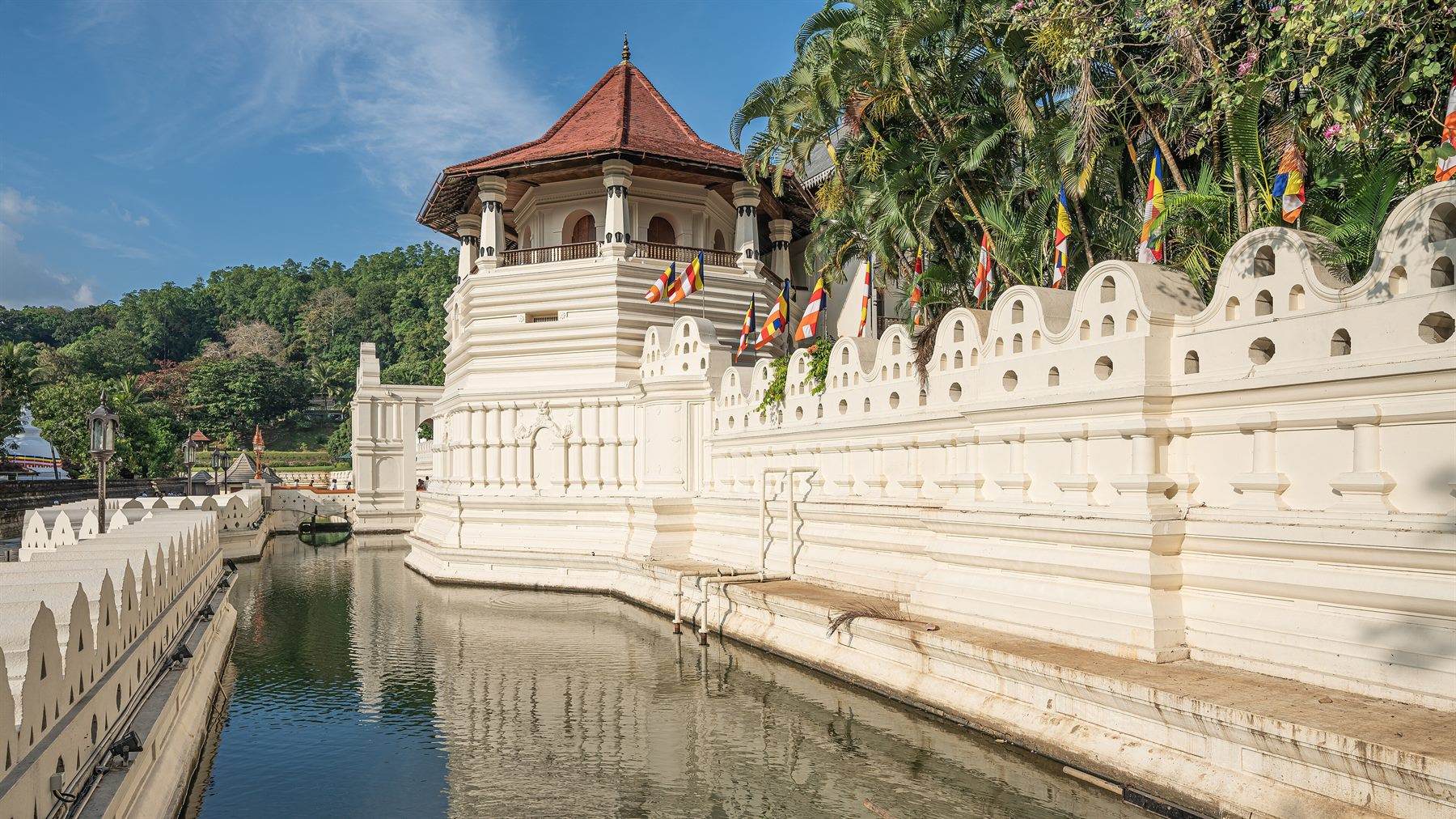
Barefoot in the sacred precinct, at dawn, in white, with the local pilgrims rather than around them — and in the case of Śrī Pāda, through the whole night. The difference between visiting a site and making a pilgrimage to it is almost entirely a matter of when you go and how you arrive.
Reading temple painting
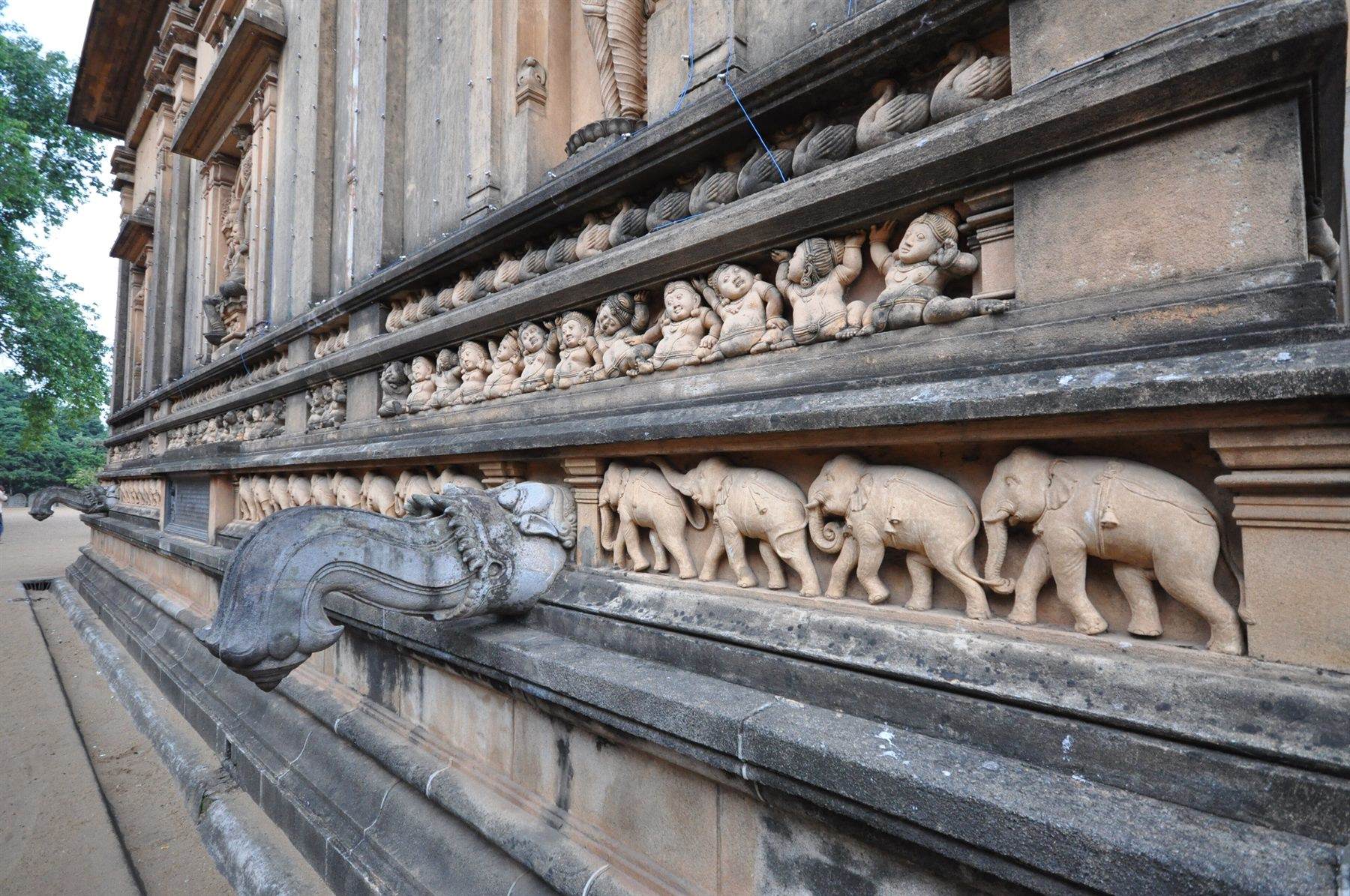
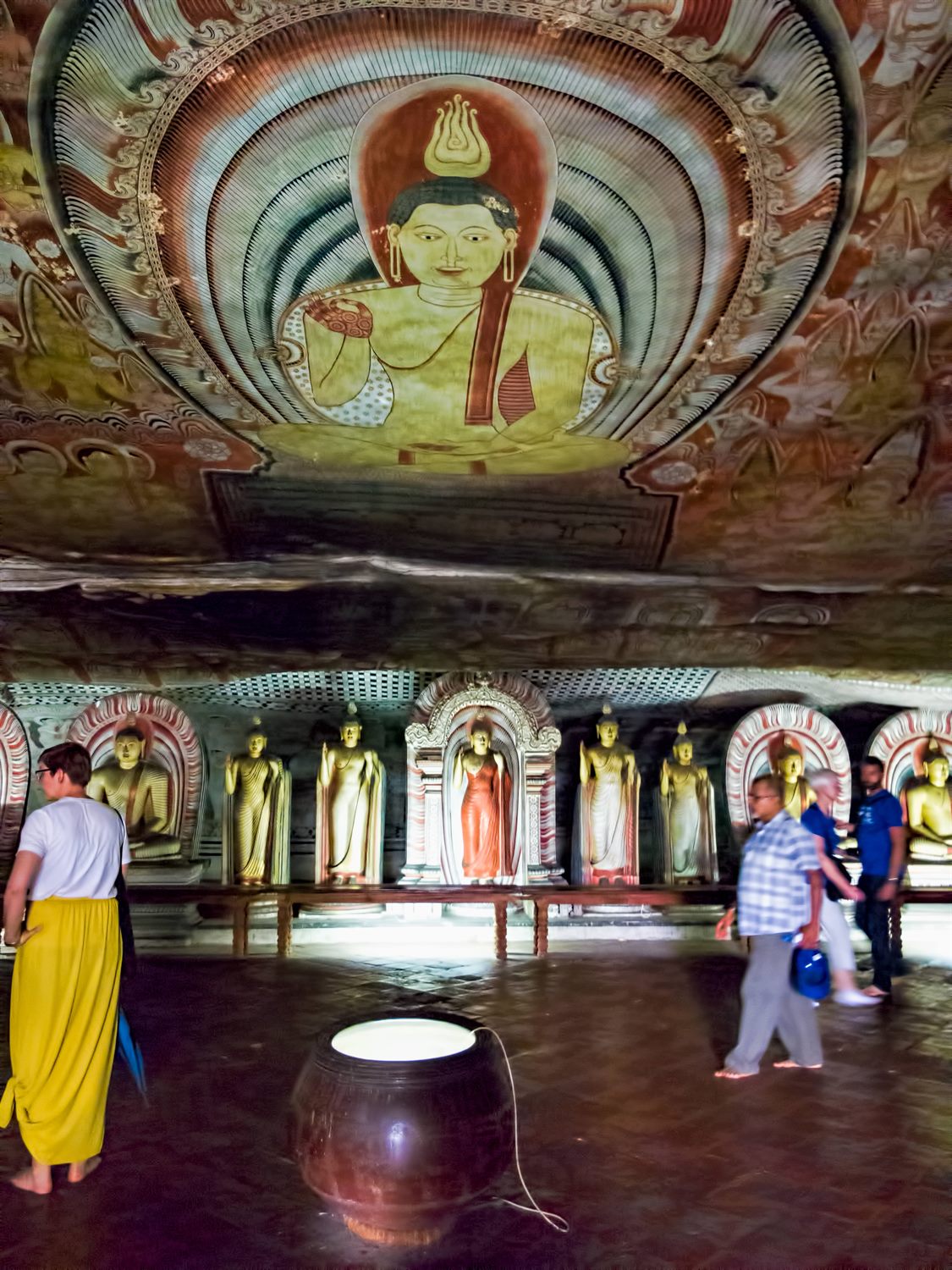
Sri Lankan Buddhist murals are narrative and they are legible once somebody shows you the conventions: the Jātaka registers at Dambulla painted straight onto the rock, the deliberate national revivalism of Solias Mendis at Kelaniya, the Kandyan-school panels at Degaldoruwa. An hour with someone who can read them changes what you see for the rest of the trip.
Supporting a monastery, concretely
If you want to give beyond the journey — a pirikara set of requisites, medicine, books for a monastic college, or work on a village vihāra's roof — we will take you to the place, translate the conversation, and let you give directly. We do not handle the money and we do not take a share of it. That is the point.
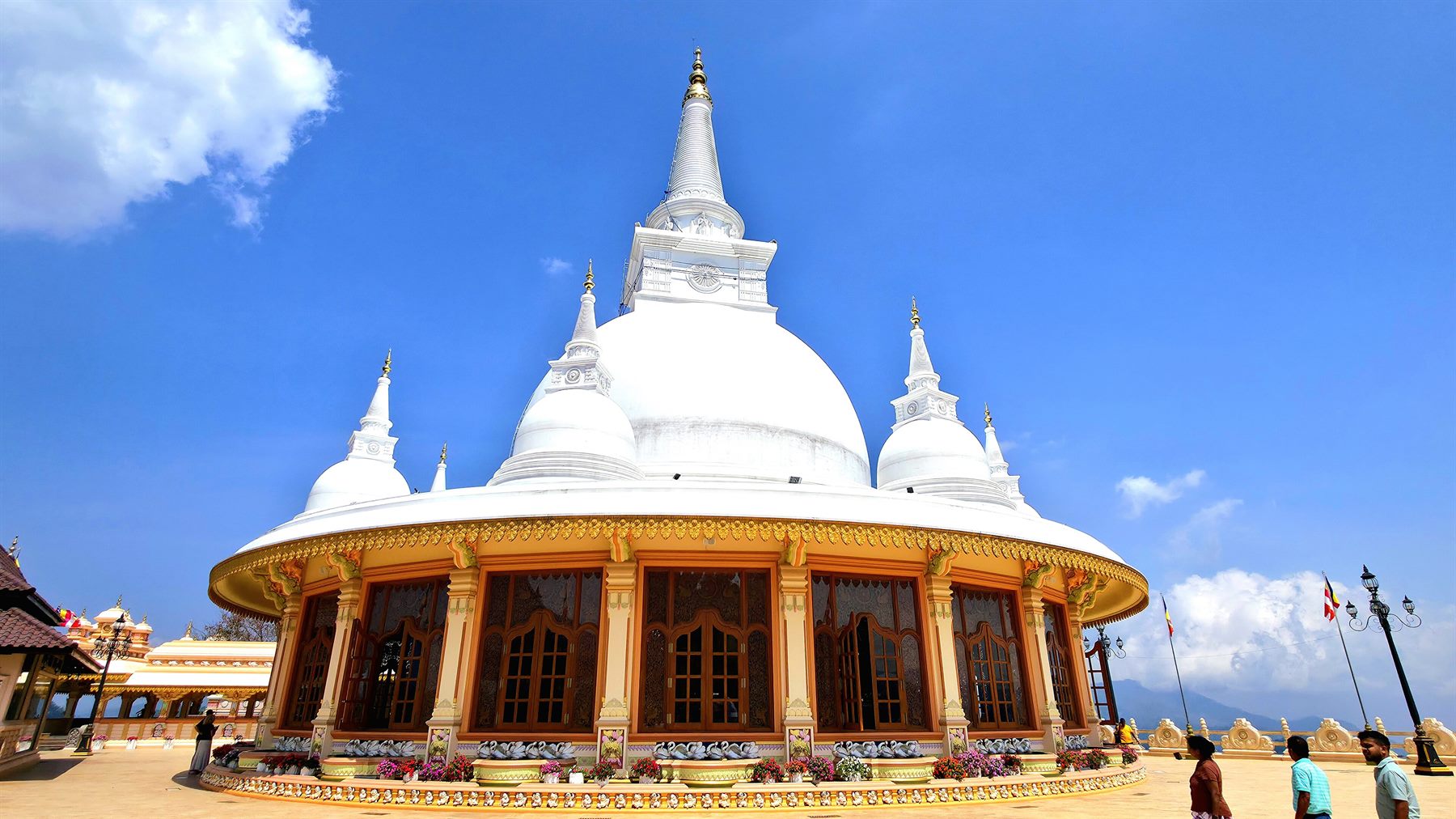
Where these happen

Build a journey out of these
Tell us which of these matter most to you and we will weight the itinerary towards them — more sitting and less driving, or the other way round.